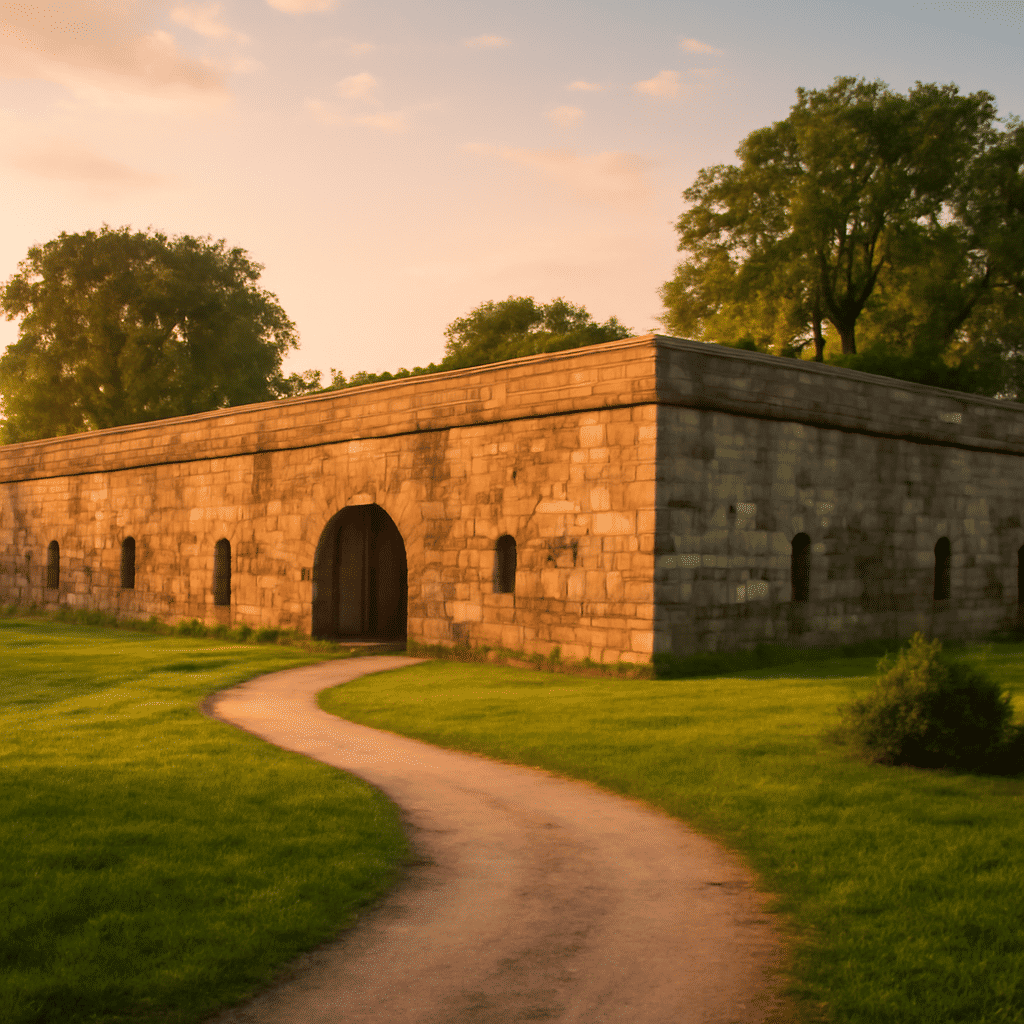
The story of America is as vast and varied as the country itself, woven from the threads of numerous cultures, pivotal events, and profound transformations. To truly appreciate the tapestry of American heritage, there’s no substitute for embarking on a historical journey through its most iconic landmarks and forgotten corners. These well-preserved sites offer a tangible connection to the people, events, and ideals that have shaped the nation.
Start your odyssey in the northeastern cradle of American democracy. Boston, Massachusetts, is where the seeds of revolution took root. A walk along the Freedom Trail is like flipping through the pages of a living history book; each step brings you into contact with pivotal moments that ignited the fight for independence. From the echoes of fiery debates in Faneuil Hall to the austere silence of the Old North Church and the solemn Bunker Hill Monument, the city reverberates with the spirit of revolution.
Travel south to the storied streets of Philadelphia, Pennsylvania, where the ideals of freedom and liberty found articulation in stone and ink. Here, the Liberty Bell stands as a symbol of enduring resolve, while Independence Hall echoes the birth of a nation where the Declaration of Independence and the Constitution were conceived. A stroll through this historic precinct is a reminder of the profound determination and vision of the founding leaders.
Turning westward, the vast plains and rugged frontiers narrate the saga of expansion, conflict, and resilience. In South Dakota’s Badlands, the sculpted faces of Mount Rushmore embody the complexity of evolution—great leaders looking towards the future even as their legacies are continually reassessed. Nearby, the Black Hills contrast with their own indigenous stories at sites like the Crazy Horse Memorial, highlighting ongoing dialogues about history and representation.
America's rich narrative also courses through the antebellum South, where the echoes of the Civil War reverberate still. In Charleston, South Carolina, or Vicksburg, Mississippi, beautifully preserved plantations and battlefields offer stark reminders of a time when the nation was divided but also provide a reflection on the path toward unity and reconciliation. These sites invite contemplation on the brutal truths of slavery and the ongoing journey towards equality and recognition.
A journey through America’s historical landscape is incomplete without pausing at the pulse of the 20th century's transformative events. In Montgomery and Selma, Alabama, the civil rights movement thrived in the face of adversity. Walking across the Edmund Pettus Bridge, where courage met resistance, is to step into the living diary of human rights struggles, a poignant reminder of the work that remains to be done to achieve true equality.
Across the heartland and into the storied West, the promise and peril of discovery and innovation are encapsulated in places like the Gateway Arch in St. Louis, Missouri, symbolizing the expansion into an untamed frontier, or the poignant historic trails that carried countless hopeful pioneers and immigrants into a new land of opportunity and challenge.
More modern threads of America’s history are present in places like Pearl Harbor in Hawaii, a silent witness to bravery and sacrifice during World War II. The Gettysburg of the Pacific, it’s a vivid reminder of conflict's costs and the hopes of peace that followed.
Each of these landmarks and stories contributes to America’s collective conscience, from the founding struggles for independence to the ongoing quest for justice and freedom. These sites not only preserve the past but also urge us to contemplate the future, understanding that history is not just what we remember but how deeply we are willing to engage with it.
In retracing the historical journeys of America, we find a profound truth: the story of a nation can only be fully appreciated by stepping into the places where history was not just witnessed, but lived. These journeys offer the traveler a chance not just to view relics of the past, but to become part of an ongoing narrative filled with voices and lessons that continue to resonate, challenging us to consider our own roles in creating a future worthy of the legacy left to us by those who came before.